
Fields & Fenders | Issue 05

Celebrating the Spirit of America
Happy July! This month, as we look around at the parades, the flags, and the fireworks, we are celebrating a truly historic milestone: America’s 250th birthday is officially here in just a matter of days! It is an incredible privilege to witness this landmark celebration of the grit, ingenuity, and spirit that built this nation.
When we look back at these 250 years of history, we see them through the lens of the incredible machinery that moved it forward. Our history wasn’t just written in textbooks—it was forged in iron and driven across the landscape. From the rugged pickups that carried generations of working families, to the antique tractors that broke the prairie soil and fed the world, to the roaring iron horses on the rails and the massive freighters conquering the open sea, everything in between has played a vital role.
Every single turn of a wrench, every steam whistle, and every mile driven on a dirt road has made America what it is today.
We are so proud to steward these stories and share this passion with a community of enthusiasts who truly appreciate where we’ve been. As you celebrate the 4th of July this week, browse our latest features, and maybe download a piece of history for your screen, we hope you feel that same spark of pride for the classic iron that keeps America’s history rolling forward.
Thank you for being on this journey with us. Have a safe, wonderful, and happy 250th Independence Day!
— The Fields & Fenders Team
The Magazine Brief
Bring Our Pages to Your Screen!
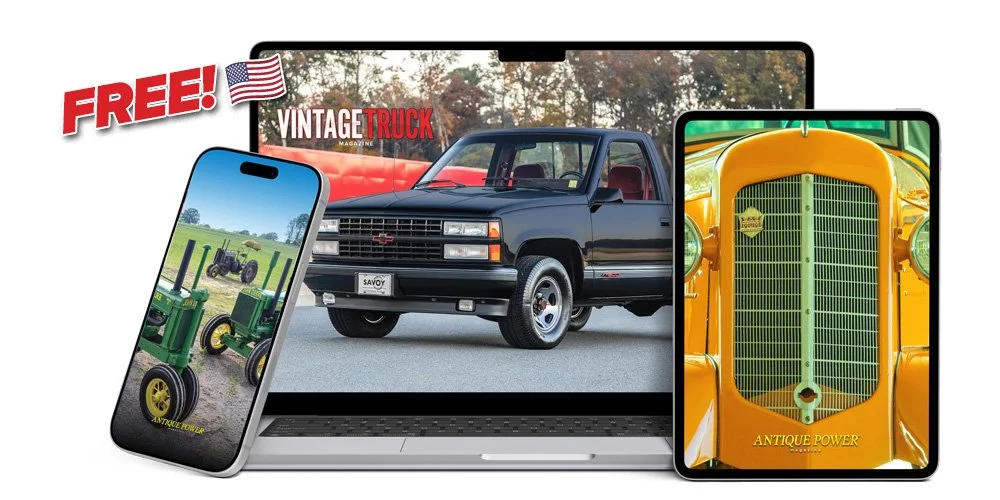
Ever look at a gorgeous feature photo in Antique Power or Vintage Truck and wish you could frame it? Now you can carry it with you everywhere. We are thrilled to launch our brand-new collection of high-resolution digital wallpapers! Curated by our team, these packs feature stunning, fan-favorite photography captured right from the field by our Editor and Photographer, Brad Bowling.
We will be rolling out fresh digital wallpaper packs every single month, and they are completely free to download! Head over to www.ertelgiftshop.com/digital-wallpapers to grab your favorite truck or tractor shot and give your phone or desktop a vintage upgrade.
📰 A Note to Our Readers: Our heart and soul will always belong to ink and paper. The magazines you love aren't going anywhere—they will always be a premium print product arriving in your mailbox.
We simply want to offer a few extra digital options for those looking to enjoy our community in new ways—whether that’s showing off classic iron on your devices with these new wallpapers, or browsing our digital PDF archives to catch up on long-sold-out back issues.
Visit the gift shop today to see what the team has lined up for your screen this month! Once you've taken a look, scroll down to the survey at the bottom of this newsletter and leave us a comment letting us know which truck or tractor feature you want to see as a digital wallpaper next!
Is your subscription up to date? Don't miss an issue—renew today! Call the fine folks in our Circulation Department at 888-760-8108. Outside the U.S. call 937-610-0229
The Contributor’s Corner
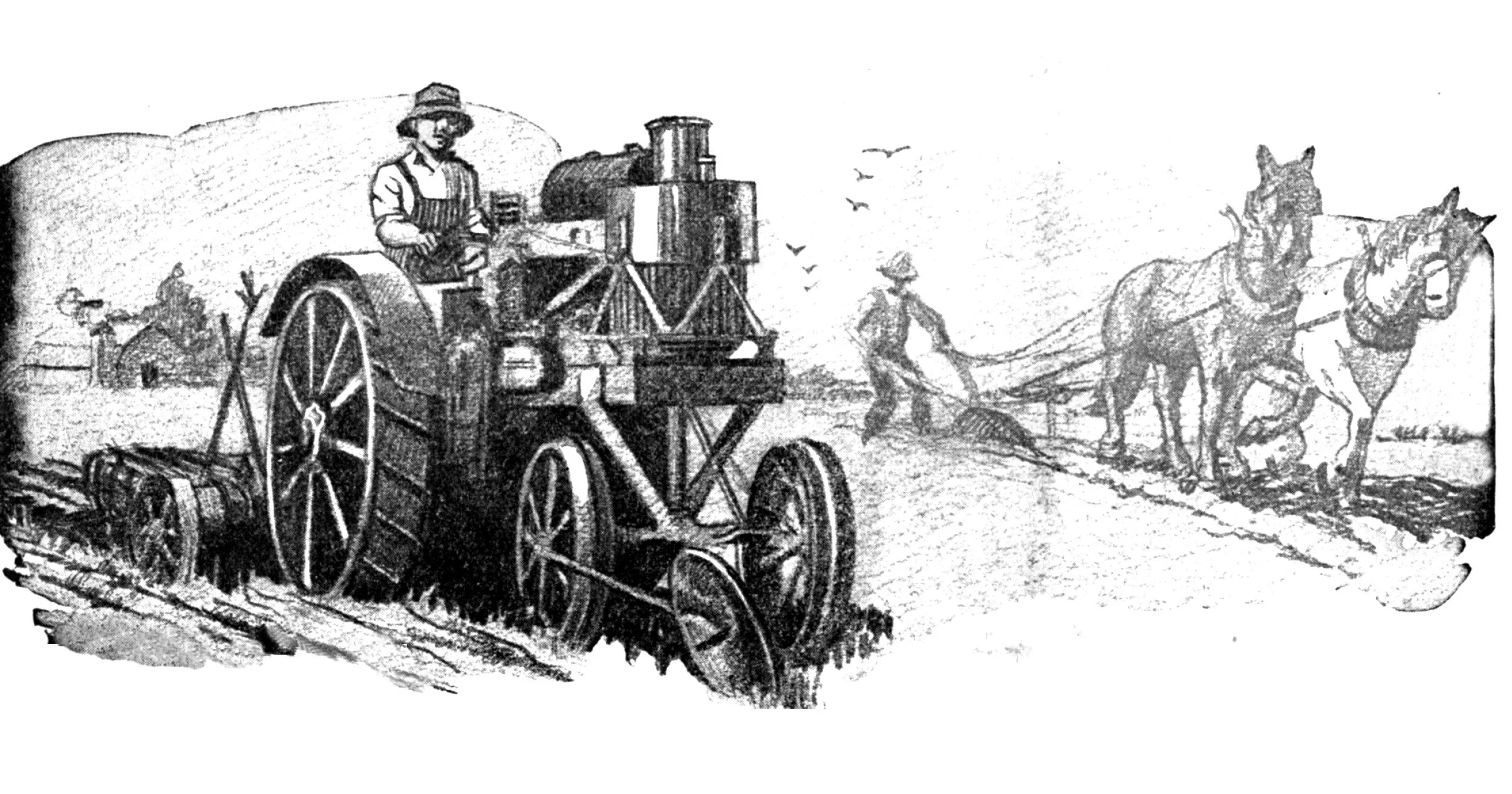
The history of American farming is the story of work—and how to get out of it. It is the story of the relentless push to grow more food with less labor.
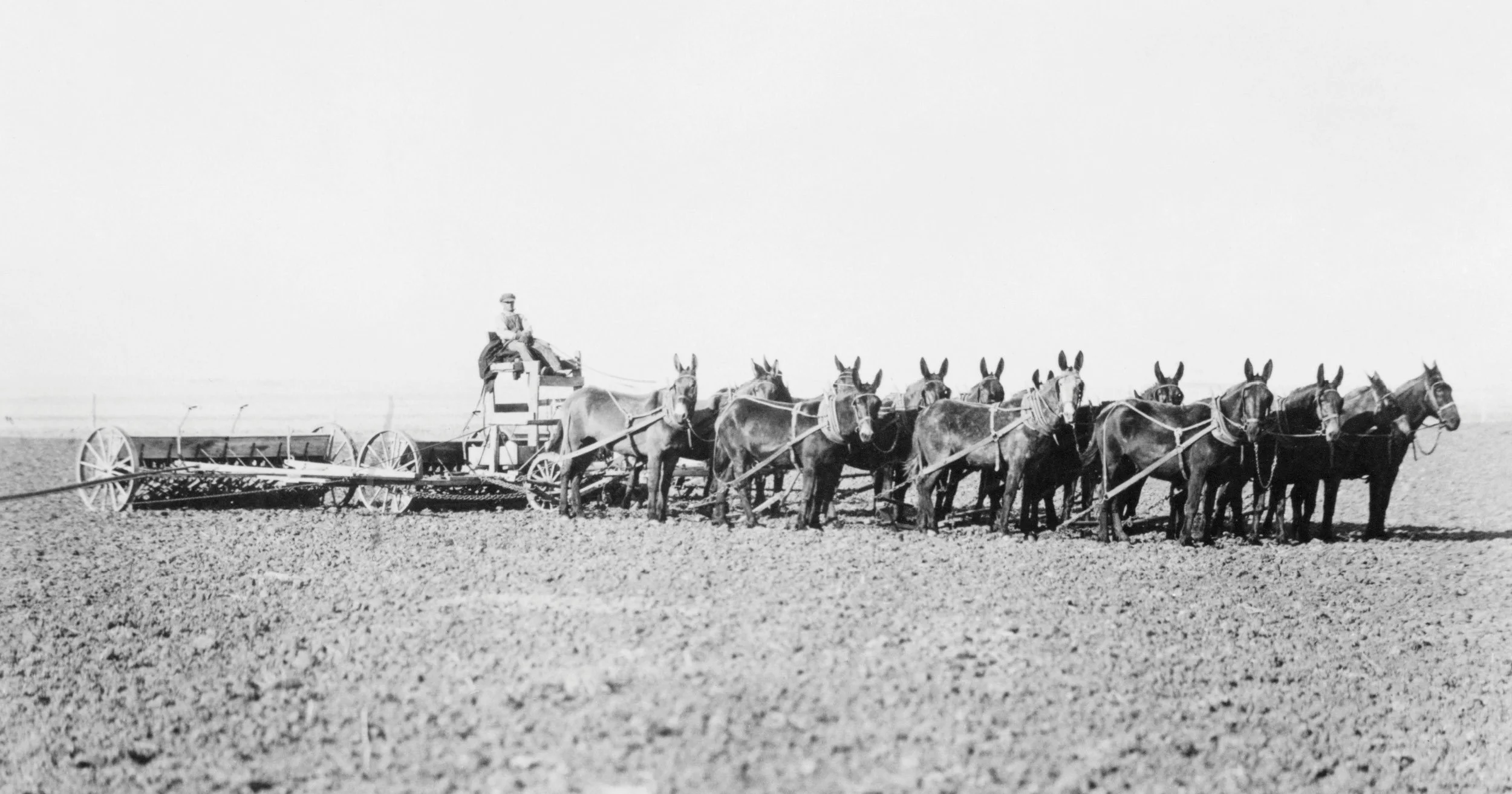
The opening of the North American continent was possible only because of the work of the American farmer, but farm labor was chronically in short supply. In 1776 nearly every citizen was involved in producing food in one way or another, leaving little time for other pursuits. (Four of the first five US presidents were also farmers.) If the country was going to grow, farm labor had to be increasingly more efficient because the industrial revolution was expanding rapidly, and the need for labor in mines and factories was growing exponentially.
The labor-saving grain separator was invented at about the same time that our country was founded, but growing food was still a labor-intensive proposition. The advent of the reaper in the mid-1800s relieved the need for the back breaking scythe and freed some farm laborers to do other work or break more new land.
A new challenge presented itself as the country expanded west. The sticky soil of the Midwest relentlessly adhered to the crude, cast iron plows of the day. John Deere developed a self-cleaning steel plow that was quickly adopted because it allowed a farmer to plow more land in less time.
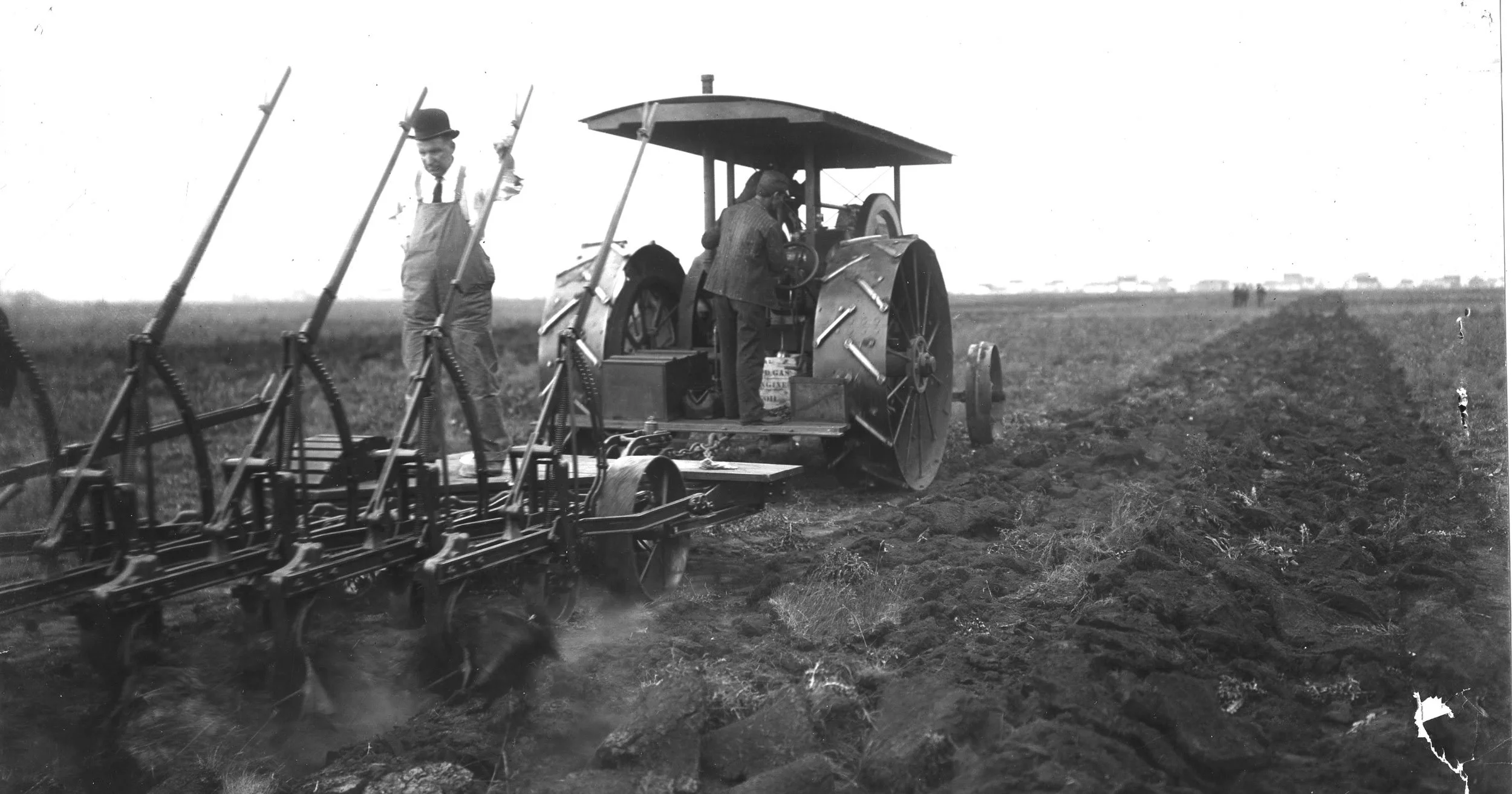
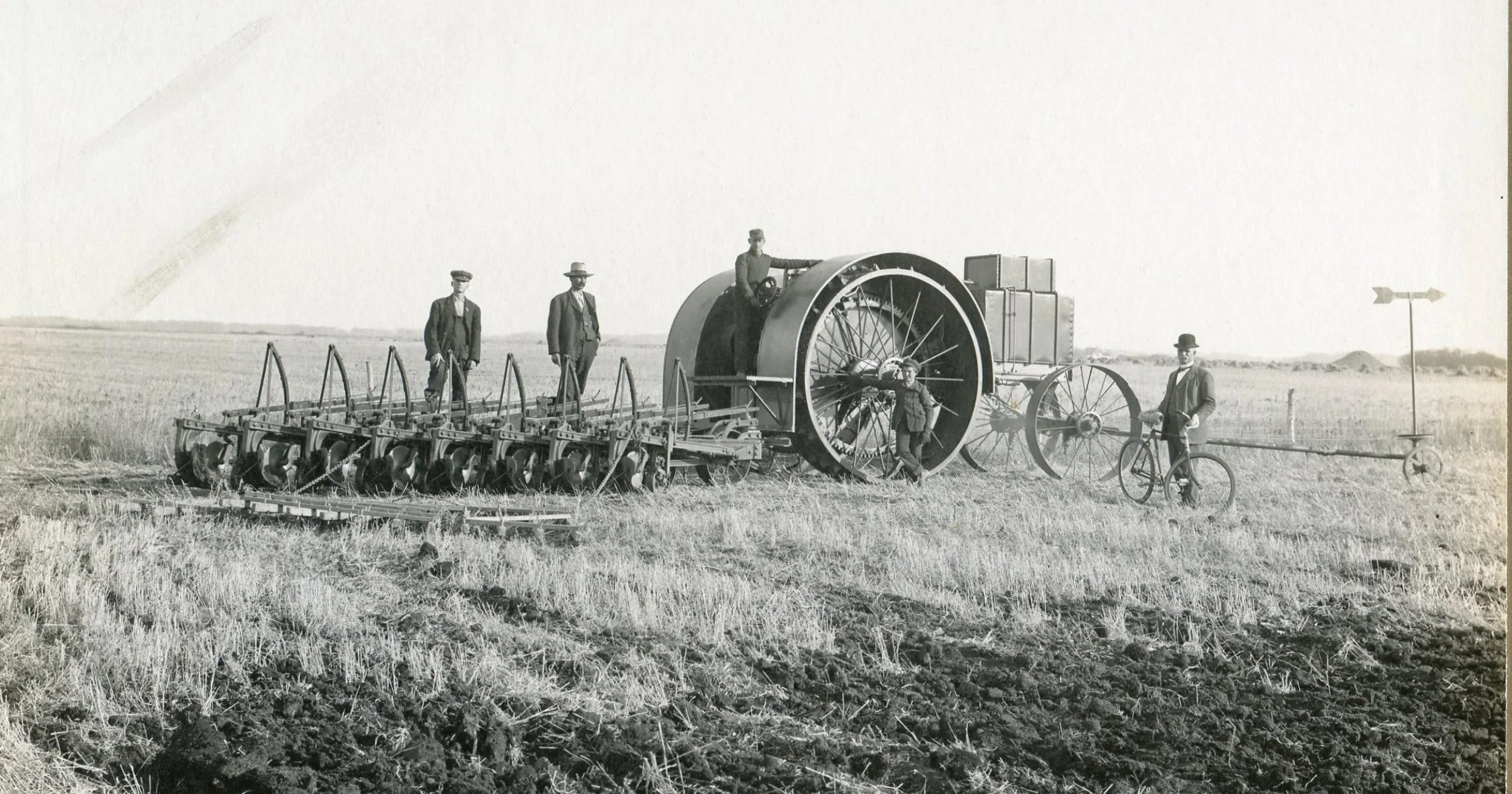
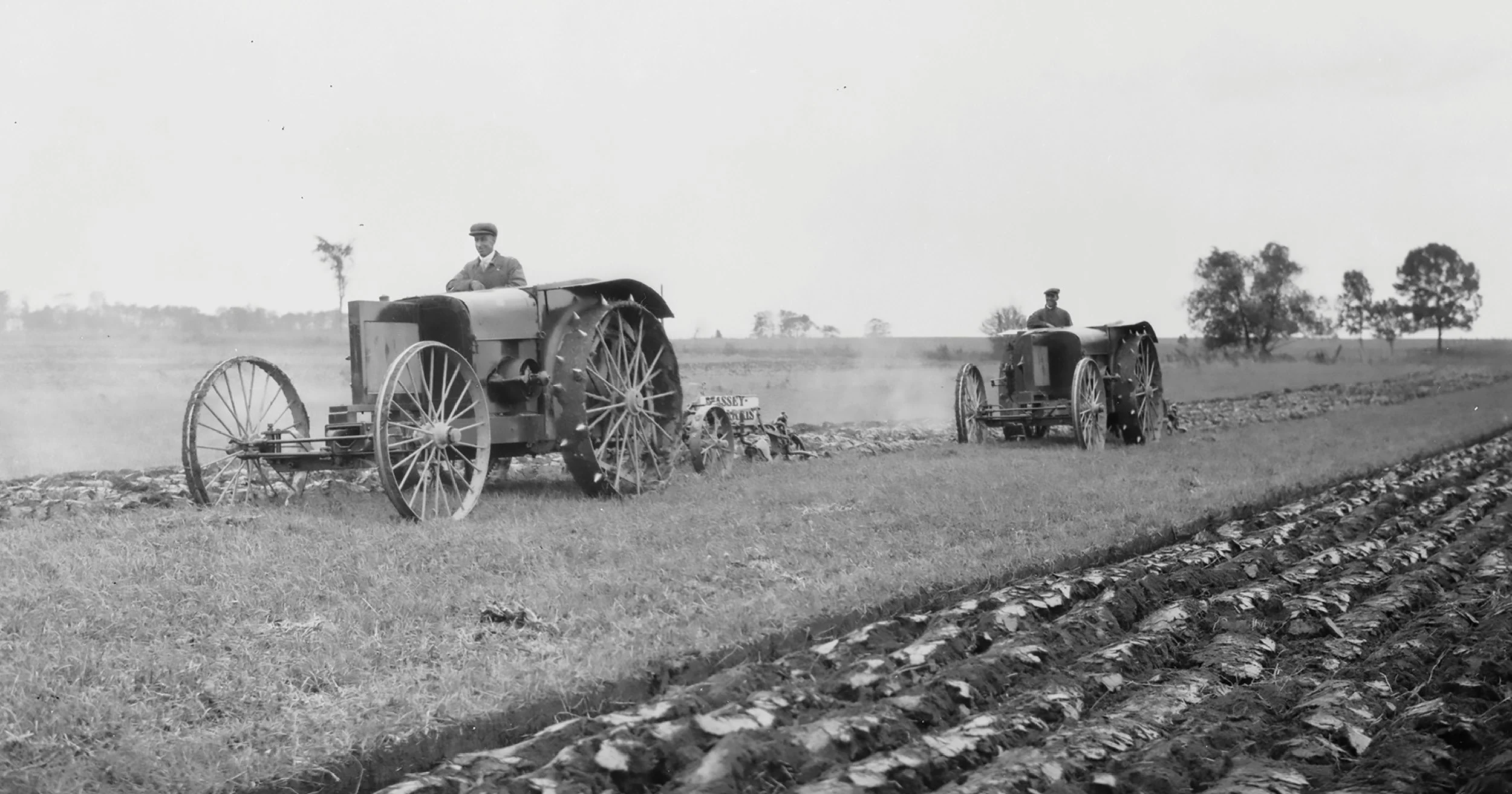
Portable steam engines came to the farm to power threshing machines in the 1860s, followed 20 years later by the steam traction engine. Steam traction engines both plowed the prairies and powered the new, large-scale threshing machines, allowing farming to be done at a much larger scale.
Gasoline-powered tractors brought the labor-saving advantages of portable power to the small farmer in the 1910s. With the expansion of mechanized farming, even more men and women left the farm. Some went to work in factories, building the machines farms would need. Others went to agricultural colleges, where they developed improvements in animal health and genetics, farm chemistry, farming practices, and soil health. By 1920, only two farm workers were needed to support three non-agriculture jobs.
In the 1940s, millions of men and women left the farm to fight in World War II or work in factories in support of the war. Farm power was needed more desperately than ever before. Farmers improvised, with tandem tractors that pulled more plows and headlights that allowed them to work the fields long into the night. Hydraulic systems were developed to allow the operator to control implements from the tractor seat, saving even more time and labor.
The desire for tractors with more power continued after the war, but manufacturers were slow to fill the need. During the 1950s many farmers modified their tractors with turbochargers and other needed horsepower improvements while the tractor companies caught up.
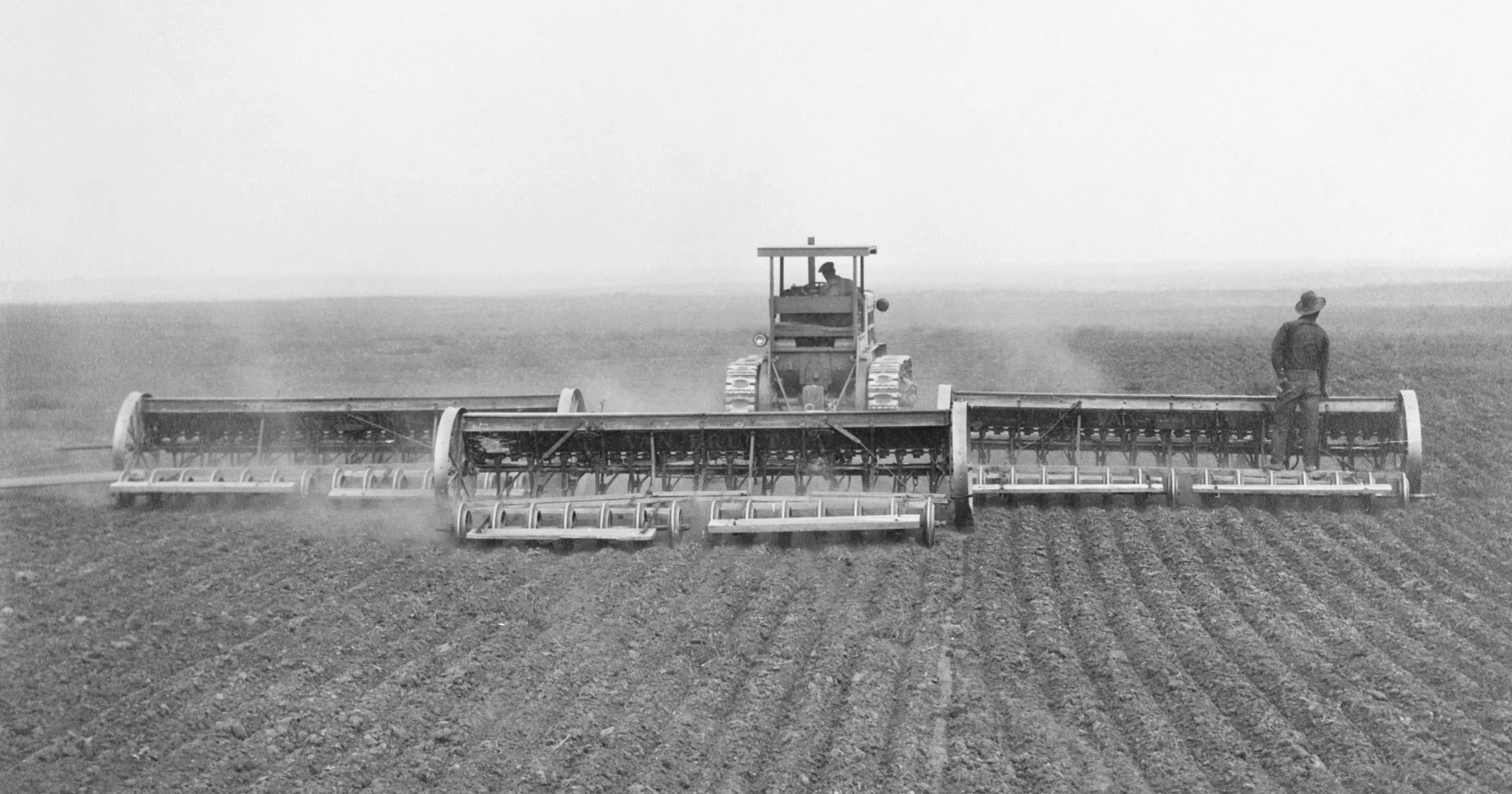
Tractors with 100 horsepower appeared in the mid-1960s. The race for ever greater horsepower was on, and it continues today, with tractors producing up to 800 horsepower in the fields. The advent of electronics and increased use of hydraulics further reduced labor. By the year 2000, advances in power, science, and chemistry allowed only a single farmer to grow food for every 22 non-farm workers. One modern-day farmer can grow more food than the entire nation of farmers could produce 250 years ago.

Patrick Ertel is the founder of Antique Power magazine and its sibling publication, Vintage Truck.
The Library | Books of the month
Red, White, and Blue Americana
What's more patriotic than a classic Chevy Corvair, a heavy-duty Dodge Ram, and the iconic Great Lakes? This July, we’ve curated three fantastic titles in our gift shop that celebrate classic American engineering, automotive history, and that hard-working industrious spirit.
🇺🇸 July Anniversary Special: In honor of America’s 250th birthday, we have marked down the prices below to give you 25% off all three featured titles all month long! Grab yours while supplies last.
🔴 RED: The Rise, Fall, and Legacy of an American Original
Chevrolet Corvair: Photo History By Monty Montgomery | Sale Price: $22.46 | Item: E308

Item: E308
Introduced in 1960 as Chevrolet's "Beetle Fighter," the innovative, rear-engined Corvair looked like a sure winner. Though it later became mired in handling controversies in the mid-60s, it has rightfully earned its place as a highly desired collectible among vintage car enthusiasts today. This book covers the complete history of the car's production in America and Canada. It features an invaluable year-by-year spotter's guide, original option pricing, powertrain specs, and production figures, alongside contact info for parts vendors and clubs. (Softbound, 120 pages, 7.25” x 9”)
⚪ WHITE: The Truck That Redefined Modern Muscle
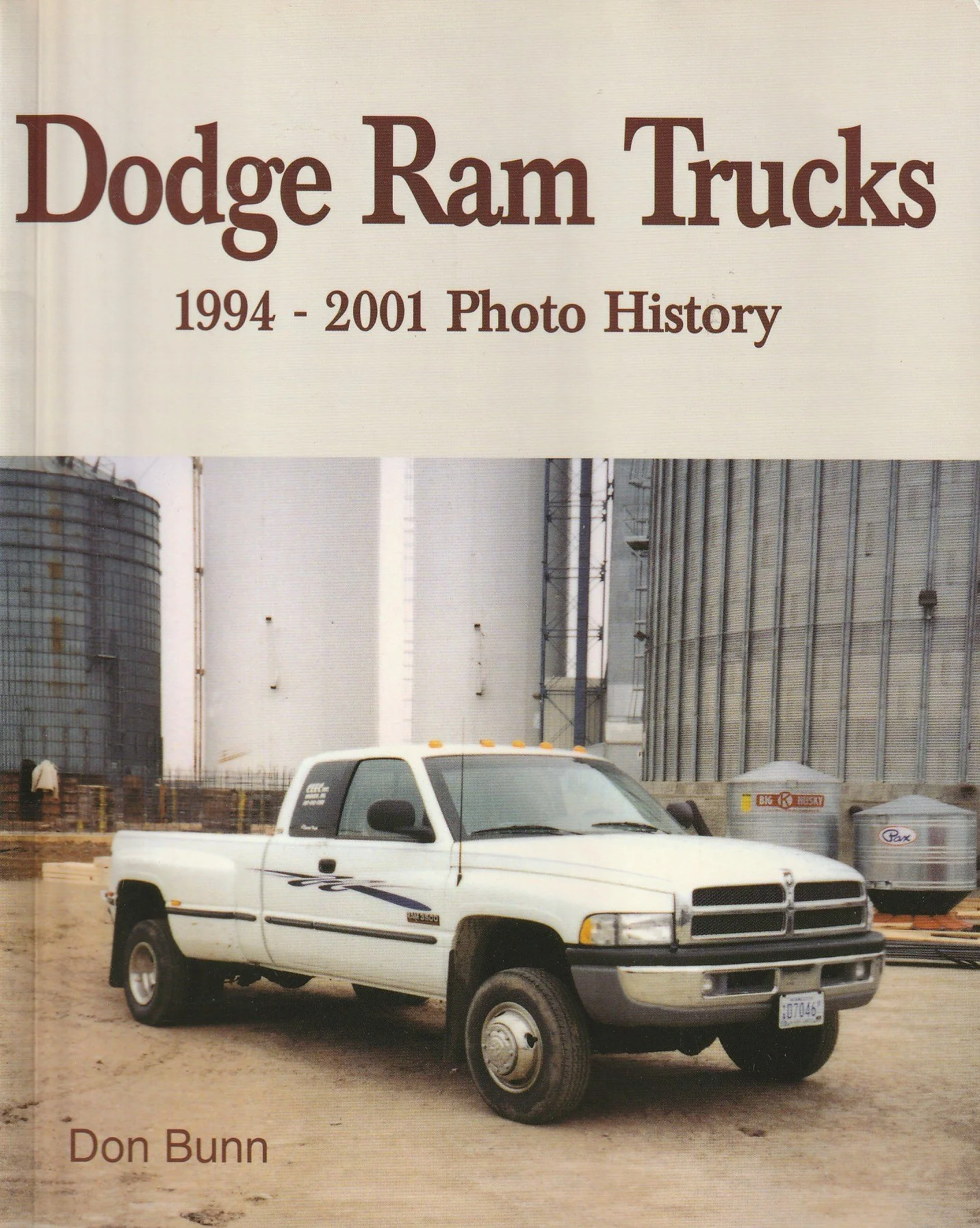
Dodge Ram Trucks: 1994-2001 Photo History By Don Bunn | Sale Price: $11.21 | Item: E243
Item: E243
See the complete, year-by-year history of the truck that completely rewrote the rules for modern pickup styling. This photo history follows the Dodge Ram from its groundbreaking 1994 redesign through the 2002 models. It covers all major configurations—including 1/2-ton, 3/4-ton, and 1-ton pickups—with great details on club cabs, quad cabs, and both gas and Cummins diesel powerplants. Plus, you'll find extensive production charts, original paint colors, and a brief look at the Dakota and Durango offshoots. (Softbound, 120 pages, 135 photos, 7.25'' x 9'')
🔵 BLUE: The Backbone of the Heartland's Waters
Commercial Ships of the Great Lakes: A Photo Gallery By Franz A. VonReidel | Sale Price: $29.96 | Item: E343

Item: E343
Pay tribute to a grand era of shipping on the deep blue waters of the Great Lakes. This title tells the story of the hard-working ships, steam propulsion, and talented captains that opened the interiors of America and Canada to the world. With over 350 sharp historic and current photographs, this book provides a comprehensive look at everything from the smallest single-screw tugboats to the gigantic ore boats. (Softbound, 8.5”x11”, 160 pages, 350 photos)
📚 Summer Reading Starts Here: Ready to add these to your coffee table or bookshelf? Head over to the gift shop to grab your copies today!

Your Voice
Every installment of Fields & Fenders will feature a poll or survey to give us helpful feedback for future content.
Since Fields & Fenders is an exclusive newsletter, be sure to bookmark this page in your browser! It’s the easiest way to jump back and catch up on any past issues you might have missed.
How to Save This Page:
On a Computer: Click the Star icon at the end of your browser's address bar.
On a Phone/Tablet: Tap the Share or Menu button and select "Add to Favorites" or "Add to Home Screen." This ensures you can always find your way back to our exclusive archives!