Caterpillar Earthmovers At Work
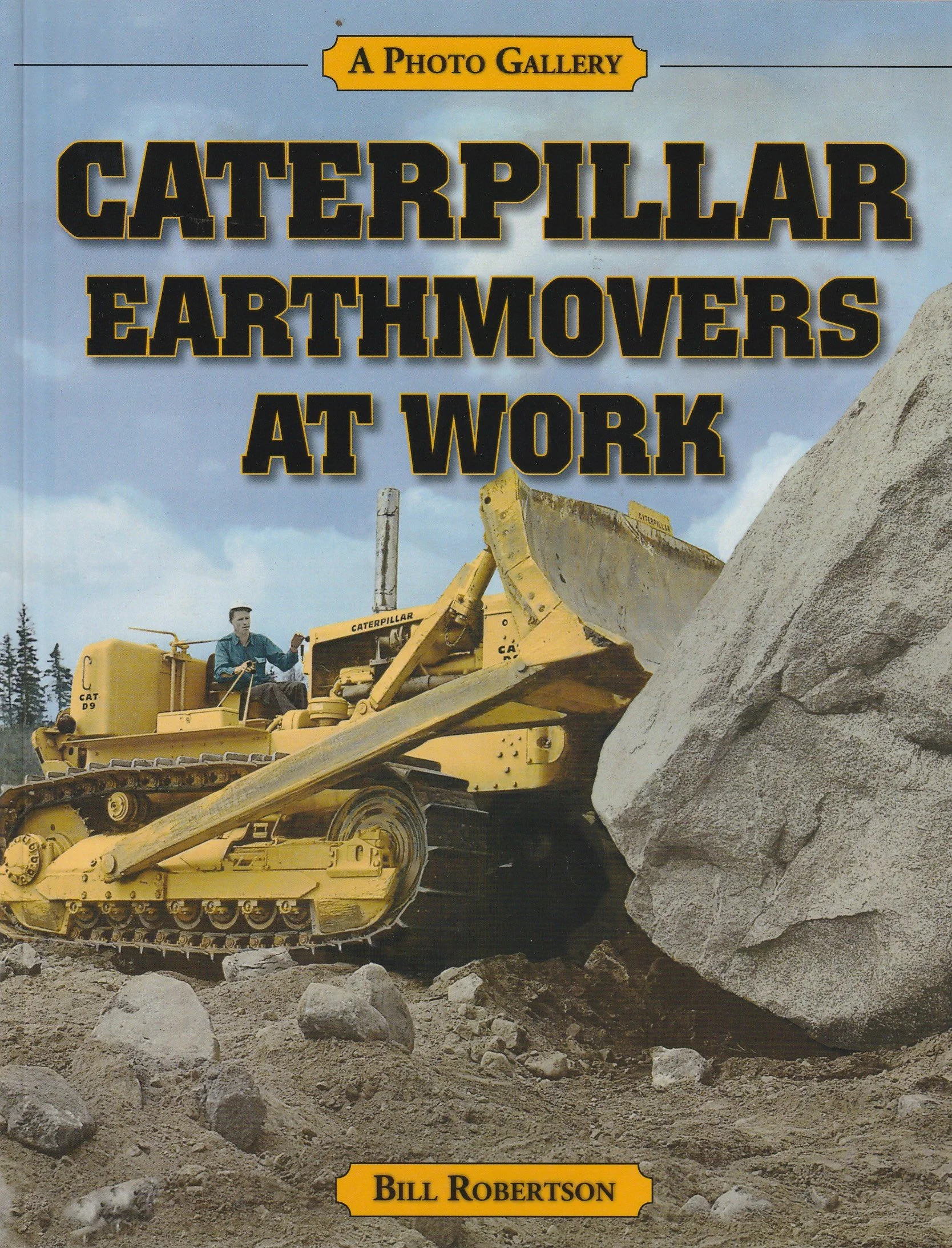
Caterpillar Earthmovers At Work
ITEM E310
By Bill Robertson
From building roads through dense forests, mining the earth for raw ore, laying pipe, constructing power developments, to creating golf courses, Caterpillar’s earthmoving machines have played an important role in shaping our world. Caterpillar Earthmovers at Work features Caterpillars in action moving massive amounts of rock, dirt, trees, and anything else in their path. See these machines used in forestry and logging, road construction, railway construction, hydroelectric power projects, mining, and much more. A treat for all heavy equipment fans.
Softbound, 8.5”x11”, 160 pages, 305 photos
Brimming with a marvelous collection of 305 black-and-white photographs, this perfect-bound soft cover book—a product of the popular Iconografix Photo Gallery series—offers four theme-based chapters documenting Caterpillar equipment at work dating from the 1920s, with an emphasis on the 1950s and 1960s. Each chapter includes a single-page introduction to address the theme. Chapter 1: Harvesting Our Resources focuses on the demanding tasks essential for logging, including clearing stumps and brush and preparing log-loading sites. Chapter 2: On the Move: Highways, Freeways & Railways features Caterpillar equipment preparing rights of way for transportation networks. Chapter 3: The Quest for Power covers Caterpillars working to help bring energy to consumers. Chapter 4: Infrastructure for Industry highlights the vital role Caterpillar equipment has played in the development of sites for industry. The photo captions vary in length but generally provide vital information including dates, locations, and equipment model designations. Focusing on Canadian locales, including British Columbia and Nova Scotia, the book’s photographs often feature majestic natural settings that serve as dramatic visual backdrops, as well as reminders of the challenges the men—and the great variety of Caterpillar earthmovers—had to overcome “as they tackled everything in their way.”
Book Review by Robert Gabrick