Kenworth Trucks of the 1950s at Work

Kenworth Trucks of the 1950s at Work
ITEM E466
By Ron Adams
For Kenworth, the 1950s were some of its most exciting years. A financial windfall started out the decade, with a special truck built for ARAMCO that proved so successful that it quickly became a standard at oil sites around the world. In the mid 1950s Kenworth began building trucks in Canada for the fast growing Canadian market and a new design with the cab beside the engine was wildly successful as it upped the cargo capacity by 1,000 pounds and offered greatly improved visibility for the driver. In 1956 the company became a subsidiary of the Pacific Car and Foundry Company. The 900 model, with a lighter, shorter chassis, was the first design introduced under this change of ownership, and gained a reputation for unsurpassed reliability as a true workhorse (especially the 923). The first tilt cab over engine was introduced in 1957 with easier access to the engine and transmission for servicing. Here are these trucks in their most glorious years.
Softbound, 128 illustrations, 10.25”x8.5”, 128 pages
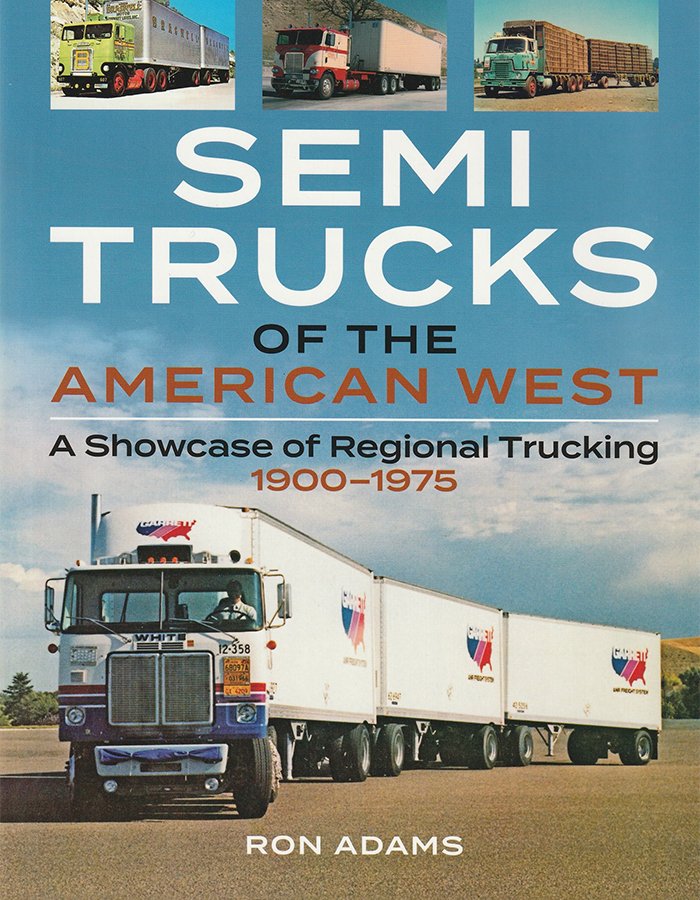
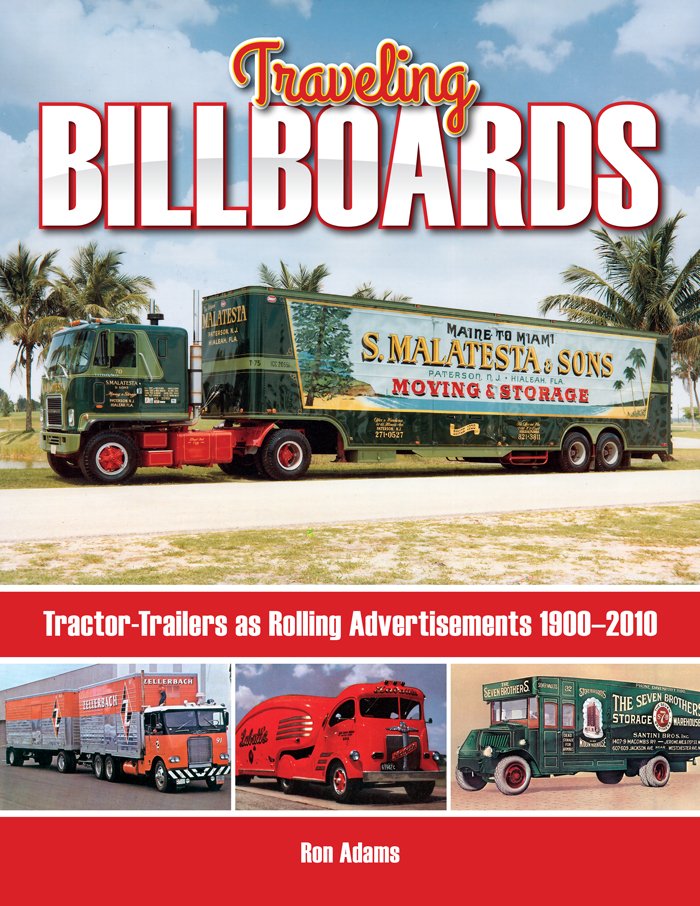
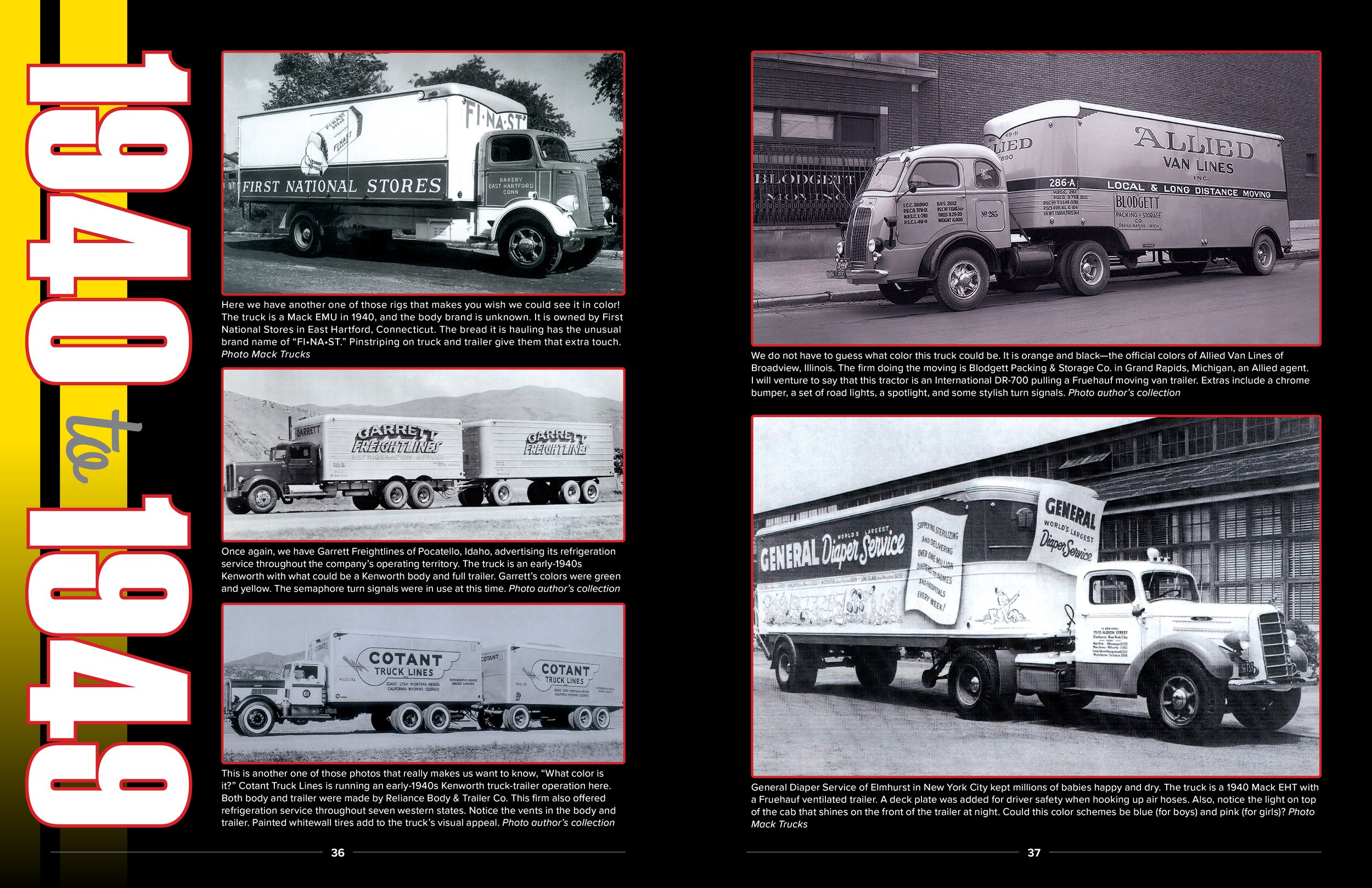
Iconografix, well known for its series of Photo Archive books—some, including this edition, have been featured in previous Books in the Bed installments—also published a popular line called the “at Work Series.” The series’ format offered examples from the holdings of photograph collectors that, as the series title suggests, were not professionally staged or photographed but were captured while at work—doing what the truck was designed to do. Avid truck photograph collector Ron Adams has authored several titles in the series, creating what can be described as collector photo albums. Our featured title includes a brief one-page introduction and moderate-length captions for the book’s 136 photographs—22 in color—from 33 different collectors, as well as from the Kenworth Truck Co. and businesses that used Kenworth trucks. Generally, the photographs fill a full page in the landscape-format, paperbound book, but 14 pages each feature two smaller photographs. The book’s appeal is two-fold. It offers a marvelous variety of iconic 1950s-era Kenworth trucks, including conventional, cab-over-engine, and cab-
beside-engine models in different configurations. In addition, it provides a wide-ranging look at the 1950s trucking industry as the “at work trucks” conduct a variety of over-the-road, logging, utility construction, and oil service tasks.
Book Review by Robert Gabrick